Exploring the historical evolution of gambling practices through the ages
Ancient Beginnings of Gambling
The roots of gambling can be traced back to ancient civilizations where games of chance were closely intertwined with religious and social practices. Archaeological evidence reveals that as early as 3000 BC, the Chinese engaged in betting on various games, including rudimentary dice games. The act of gambling often held significance beyond mere entertainment; it was a means for communities to bond and compete, reflecting the cultural values of the time. Today, many people enjoy activities like real money online casino games, which showcase how far technology has brought this age-old practice.
In ancient Rome, gambling was prevalent among all social classes, from peasants to emperors. The Romans developed various forms of betting, including wagering on gladiatorial contests and chariot races. This period marked the transition from simple games to more organized forms of gambling, laying the foundation for future practices across Europe and beyond.
The Middle Ages and the Rise of Card Games
During the Middle Ages, gambling underwent significant transformation, especially with the introduction of card games in Europe. Originating in China, playing cards made their way to the West through trade routes, quickly gaining popularity across the continent. This era saw the emergence of games such as tarot and various regional card games, which often included betting as an essential component.
The church’s stance on gambling during this period was mixed, with some authorities condemning it while others recognized its social aspects. Nevertheless, gambling persisted, leading to the establishment of taverns as popular venues for games. The evolution of gambling in this era reflects broader societal changes, as people sought recreation and community engagement amidst the challenges of medieval life.
The Birth of Modern Gambling in the 18th Century
The 18th century marked a pivotal moment in the history of gambling with the establishment of formal casinos and the regulation of betting activities. France became a hub for gambling, introducing roulette and other games that would become staples in modern casinos. The structured environment of these establishments created a new, more sophisticated gambling culture.
In addition to casinos, this era saw the rise of lotteries as a popular means of gambling, used by governments to raise funds for public projects. The combination of games of chance and organized betting gave rise to a more responsible approach to gambling, as regulations were developed to protect participants and ensure fair play.
The 20th Century and Technological Advancements
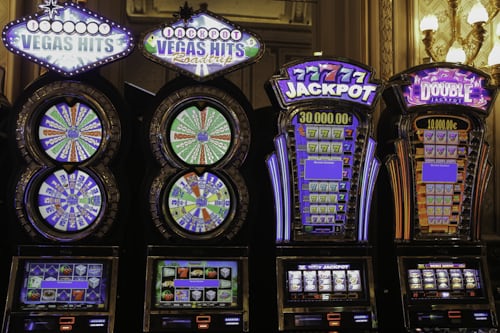
The 20th century brought dramatic changes to gambling practices, largely due to technological innovations. The introduction of slot machines revolutionized the gambling landscape, making it accessible to a wider audience. Coin-operated machines became synonymous with casinos, contributing significantly to their revenue.
Moreover, the advent of the internet in the late 20th century transformed gambling yet again, leading to the rise of online casinos and betting platforms. The ability to gamble from the comfort of home not only expanded the audience but also raised new questions about regulation and responsible gambling practices. The fusion of technology and gambling continues to shape the industry, as digital innovations bring forth new possibilities for players and operators alike.
The Future of Gambling and Its Societal Impact
As we look towards the future, the evolution of gambling practices raises important discussions about its societal impact. The rise of mobile gambling apps and virtual reality gaming suggests that technology will continue to redefine the gambling experience. However, with these advancements come challenges related to addiction and responsible gaming.
Ongoing conversations around regulatory measures are crucial to ensure that gambling remains a safe and enjoyable activity. The history of gambling demonstrates its resilience and adaptability, a testament to human nature’s enduring fascination with chance and risk. Understanding this evolution helps us navigate the complexities of modern gambling and its role in society.